Naperville, Illinois, spans two counties – DuPage and Will. This is among the largest suburban communities in the Chicago metro area. Pest infestations are rather common in Naperville, including in neighborhoods like Ashbury, White Eagle, Tall Grass, and Brookdale. Many areas have landscaped zones, retention ponds, and rely extensively on irrigation, which ensures enough moisture around foundations for pests to grow. Problems are also intensified by seasonal pest cycles, and each season comes with inherent concerns.
Considering how structural, environmental, and other factors influence pest activity here, working with a professional service, such as Pointepestcontrol.net, isn’t optional for Naperville homeowners. The Pointe Pest Control team serves most areas in DuPage County and has incredible ongoing services. In this post, let’s talk about how pest services work here.
Inspection Beyond Living Areas
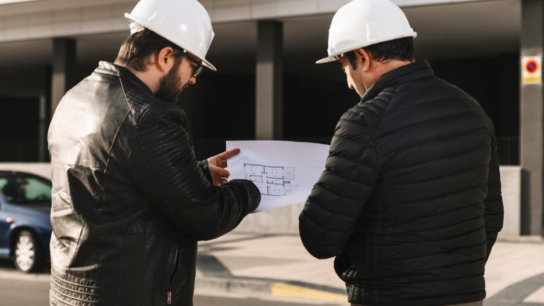
Many properties in Naperville have full basements and older structures, and pest control technicians always start with inspecting these areas. From areas close to the foundation to drainage, mulch beds, and utility penetrations, the team will check possible points and routes through which rodents and insects are entering. While interior inspections matter, professionals are more concerned about different structural vulnerabilities.
Identification of Common Species
During the inspection, exterminators look for signs, including shed body parts like wings, droppings, nesting materials, and damaged goods like wires. The goal is to identify the species, which largely determines the steps of the treatment. You may not understand how carpenter ants look and work differently from pavement ants, but technicians know the differences. They can also spot early signs of termites, which otherwise can be hard to spot until there is extreme damage.
Seasonal Pest Management
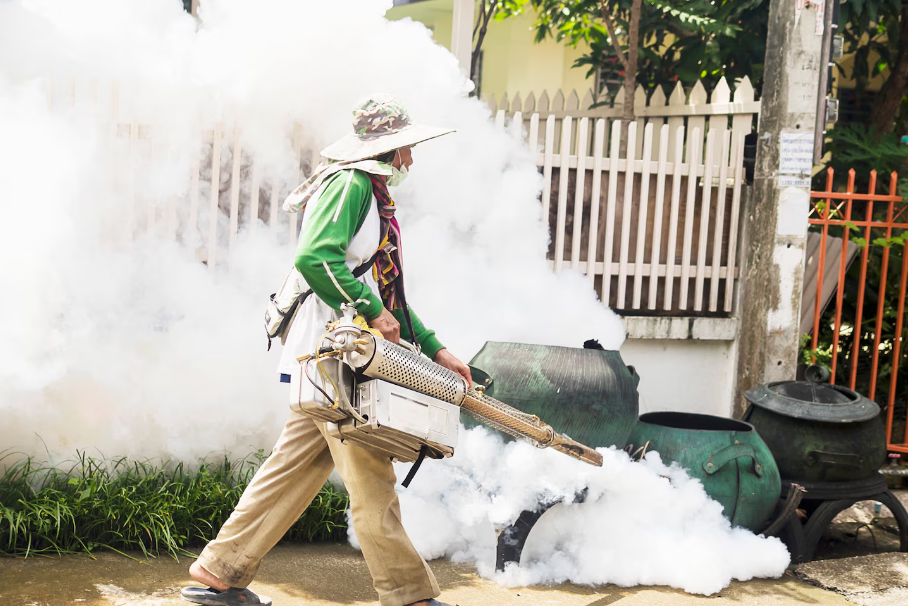
Pest control is also about adjusting measures and steps for each season in Naperville. For instance, during spring, it is easier to find insect colonies around foundations, while summer is more about outdoor species, such as wasps and mosquitoes. Late summer inspections are often about rodents. Professional technicians understand and evaluate these cycles and consider aspects that are unique to your property to plan seasonal work.
Monitoring Moisture Conditions
Moisture is a constant factor that allows insects to thrive, which is why pest control work often involves monitoring and managing such conditions. Technicians check whether a yard has poor drainage or clogged gutters that are responsible for creating damp zones, or whether excessive use of irrigation systems is causing soil saturation. They will also check indoors, especially the basement, for dampness. If there are plumbing problems, including leaking pipes, they may instruct repairs.
Education and Prevention Guidance
Besides considering treatments, when necessary, technicians often spend time with homeowners to explain the best practices. If you decide to choose DIY hacks, you will never know what is likely to work. Experts, on the contrary, will help you with smaller details, such as how to find early signs, steps that can help with better yard maintenance, and how to evaluate seasonal pest cycles. They can also recommend habits that can help, such as replacing trash cans and placing pet food in safer areas.
Takeaways
Pests can cause allergies, health issues, and damage your property in unexpected ways. Considering how risks are higher for Naperville neighborhoods, it makes sense to work with professional services rather than using regular sprays and traps. With the right team of technicians, you don’t have to keep searching for pests, as technicians will create a service plan and come over for inspections. If required, they will consider soil treatments and exclusion measures, which will further counter usual concerns.
Check with a pest control service in Naperville today and get your home inspected. You will be surprised to find how technicians discover unseen signs and problems.