Furnishing a living space is an opportunity to express personal style while creating a functional environment for daily life. In recent years, the appeal of vintage and pre-owned pieces has grown significantly, offering a unique alternative to mass-produced items.
Choosing high-quality second-hand items allows you to find durable materials and one-of-a-kind designs that add character to a room.
However, navigating the market for pre-owned goods requires a discerning eye and a methodical approach to ensure value and safety. Here are five critical factors to consider when looking for the right additions to your home.
1. Assessing Structural Integrity and Durability
The most important aspect of any furniture purchase is the quality of its construction. Before committing to an item, inspect the joints, legs, and overall stability of the piece. Solid wood items are often superior to those made of particle board, as they can be refinished and repaired over time.
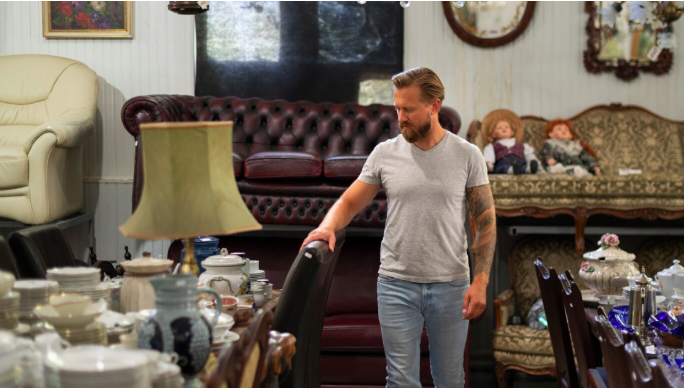
When you visit a local used furniture store, take the time to sit on chairs or lean on tables to check for wobbling or creaking. Ensuring that a piece is structurally sound is the best way to guarantee it will serve your household for years to come.
2. Inspecting for Hidden Damage or Pests
Safety and hygiene are paramount when bringing pre-owned items into your living space. For upholstered goods like sofas or armchairs, it is essential to check for signs of pests or deep-seated odors that might be difficult to remove.
If you are browsing a used furniture store, bring a small flashlight to inspect the crevices and underside of the furniture. Look for stains, tears, or any evidence of structural rot in wooden pieces. A thorough inspection prevents the accidental introduction of unwanted issues into your clean home environment.
3. Measuring Your Available Space Accurately
One of the most common mistakes in furniture shopping is miscalculating dimensions. A large oak desk may look perfect on a showroom floor but could easily overwhelm a small study or fail to fit through a narrow doorway.
Before heading to a used furniture store, measure your floor space, ceiling height, and all entry points. Having these figures ready allows you to shop with confidence and prevents the logistical nightmare of purchasing an item that simply does not fit your architectural layout.
4. Evaluating the Potential for Refurbishment
Many pre-owned pieces possess excellent bones but may suffer from cosmetic imperfections like scratches, outdated paint, or worn fabric. Consider whether you have the time and skills to restore an item to its former glory.
A high-quality used furniture store often carries pieces that only need a light sanding or a fresh coat of varnish to look brand new. Seeing past minor surface wear can help you secure high-end materials at a fraction of the cost of new retail items.
5. Verifying Material Quality and Authenticity
Understanding the difference between genuine materials and synthetic imitations is vital for long-term satisfaction. Research brands or manufacturers that were known for high-quality production in previous decades.
This knowledge helps you identify authentic mid-century modern pieces or hand-carved antiques that hold their value. When shopping, ask the staff about the history or origin of the item to ensure you are getting a fair deal on genuine craftsmanship.