Water doesn’t wait for a convenient moment. It finds the smallest crack, the lowest point, the path of least resistance, and it moves in quietly. Most homeowners only notice it after spending money on new flooring, fresh drywall, or a finished basement they were proud of. The fix then costs twice as much as it would have if the water had been dealt with first.
Stopping water intrusion before a renovation is less about big interventions and more about working through the right steps in the right order.
Fix Cracks and Grading with Basement Foundation Repair
Cracks in your foundation are where most water stories begin. Even hairline fractures allow moisture to seep through under hydrostatic pressure, and that pressure only grows after heavy rain.
A proper basement foundation repair addresses both the visible damage and the underlying cause, whether that’s settling soil, freeze-thaw cycles, or long-term water pressure building against the walls. Grading matters just as much.
The soil around your home should slope away from the foundation at roughly six inches over ten feet. Flat or inward-sloping ground sends every rainstorm straight toward your walls. Fixing the grade is inexpensive compared to what happens when water finds a way through.
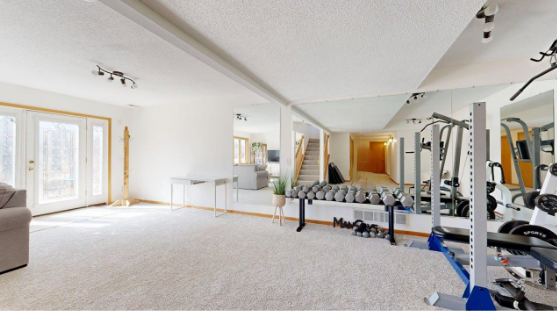
Protect Your Investment with Thoughtful Basement Finishing
There’s a common mistake homeowners make when planning a basement finishing project. They focus on the aesthetics first and treat moisture as someone else’s problem. It isn’t.
Any finishing work done over a wet or vulnerable foundation will deteriorate faster than expected, and the repairs are more disruptive the second time around.
Waterproofing and structural corrections come first. Finishing comes after. That order protects the investment.
Extend Downspouts Ten Feet from Foundation Walls
Downspouts that discharge close to the house are one of the most overlooked water problems. Every time it rains, water dumps at the base of your foundation and saturates the surrounding soil. From there, it moves toward the path of least resistance, which is often your basement wall.
Extending downspouts at least ten feet away from the foundation gives water somewhere to go that isn’t your house. Flexible extenders are inexpensive and easy to attach.
Install a French Drain on the Wet Side
A French drain is a gravel-filled trench with a perforated pipe that redirects groundwater away from your foundation. It works by intercepting water as it moves through the soil and giving it a controlled path to follow rather than letting it collect against your walls.
Installing one on the side of the house that receives the most water, usually the uphill side or the side that faces prevailing rain, makes an immediate difference.
Test Your Sump Pump Before Renovation Starts
A sump pump that hasn’t been tested in months is an unreliable one. Before any renovation begins, pour water slowly into the sump pit and confirm the float triggers the pump. Listen for the motor. Watch the discharge line. Make sure water is actually leaving the space and not cycling back in.
Rainy seasons are when pumps fail under load, which is exactly when they’re needed most. Testing monthly during wet months keeps the system reliable. Replacing a failed pump after water has already entered a freshly renovated basement costs far more than the pump itself.